
 See Our Latest Article on HelloNation
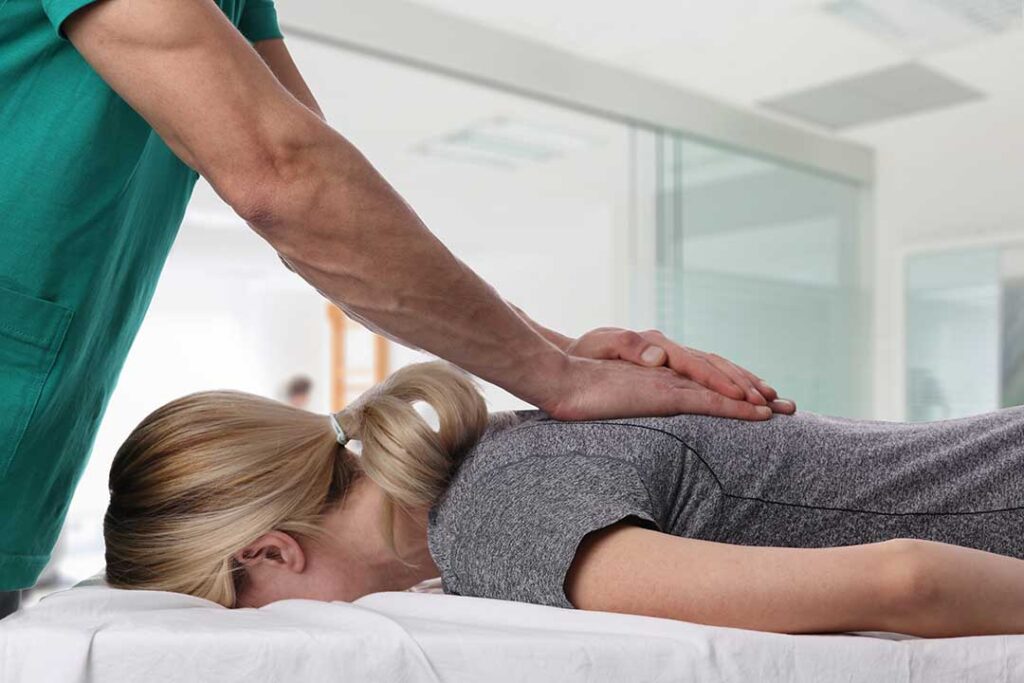
Why lifting technique matters
Safe lifting is not only about how much an object weighs. The risk of back strain also depends on how far the load is from your body, whether you twist, how often you lift, how high you move the object, and how long you hold it. A relatively light item can become difficult to manage when it is bulky, unstable, lifted repeatedly, or handled from an awkward position. ([osha.gov](https://www.osha.gov/laws-regs/standardinterpretations/2013-06-04-0?utm_source=openai))
For residents in Ithaca, seasonal chores can create many lifting demands: moving snow equipment, carrying damp materials, bringing in firewood, rearranging furniture, handling garden supplies, or moving boxes during a household change. Cold temperatures, slippery surfaces, stairs, and uneven ground can make those tasks more demanding because they affect balance and footing.
Good technique reduces unnecessary stress, but it does not make every lift safe. OSHA notes that even a heavy object handled with proper technique may still cause injury. Reducing the load, changing the task, using equipment, or asking for help may be safer than relying on body mechanics alone. ([osha.gov](https://www.osha.gov/etools/electrical-contractors/supplemental-information/solutions/tasks-back?utm_source=openai))
What should happen before lifting?
The safest lift begins before the object leaves the ground. Take a moment to plan the movement.
- Clear the walking path, including rugs, cords, ice, clutter, and low obstacles.
- Check where the object will be placed before picking it up.
- Test the weight by nudging or tipping the item slightly, without committing to the lift.
- Look for loose contents, leaking liquid, or shifting parts.
- Decide whether the object can be divided into smaller loads.
- Use a cart, hand truck, dolly, or other aid when appropriate.
- Ask another person to help with long, bulky, unstable, or unusually heavy objects.
A useful rule is that the “right” load is determined by the entire task, not by weight alone. NIOSH’s lifting equation considers factors such as horizontal reach, vertical height, lifting frequency, twisting, travel distance, and grip quality. It is designed for evaluating specific lifting tasks rather than assigning one universal safe weight for everyone. ([cdc.gov](https://www.cdc.gov/niosh/ergonomics/about/rnle.html?utm_source=openai))
How should a person lift from the floor?
For a manageable object, stand close to it with feet about shoulder-width apart. Place one foot slightly ahead of the other if that improves balance. Bend at the hips and knees while keeping the spine in a comfortable, stable position rather than rounding deeply through the low back.
Get a secure grip before beginning the lift. Tighten the abdominal muscles gently, keep the object close to the middle of the body, and rise smoothly by pushing through the legs. Avoid jerking, holding the breath, or trying to lift faster than the body can control.
The often-repeated instruction to “lift with your legs, not your back” is useful but incomplete. The legs should contribute to the movement, but the main goals are to keep the load close, avoid sudden force, and maintain control. A perfectly upright posture is not required, and forcing the back into an exaggerated position can create its own discomfort.
Why should twisting be avoided?
Twisting while lifting increases the demands on the spine and surrounding tissues. Turn by moving the feet instead of rotating the trunk while carrying the object. If the destination is to the side, reposition the whole body before setting the load down.
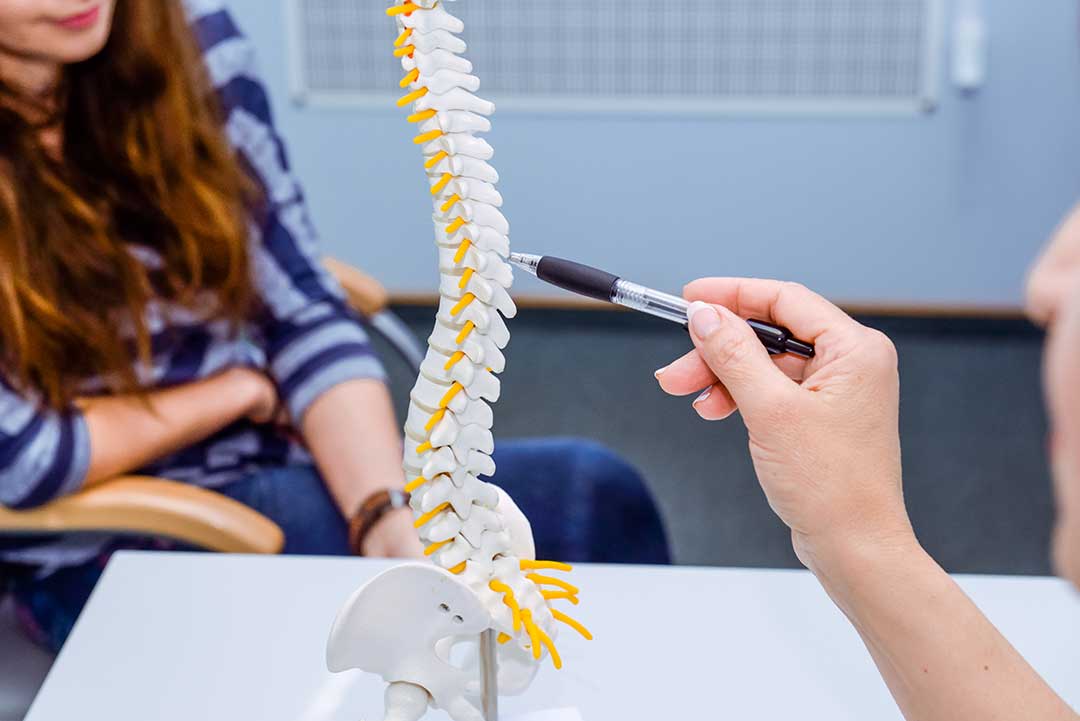
The same principle applies when removing items from a car, reaching into a deep bin, or placing boxes on shelving. Bring the object toward the edge first, face the direction of travel, and avoid combining a deep bend with a turn.
For repeated tasks, alternate positions and take brief pauses before fatigue affects balance or technique. Repetition, awkward posture, and prolonged holding can increase risk even when each individual object seems light. ([osha.gov](https://www.osha.gov/laws-regs/standardinterpretations/2013-06-04-0?utm_source=openai))
How can lifting be made safer in small homes and older buildings?
Limited space often causes people to lift while reaching, turning, or stepping around obstacles. Rearranging the environment can be more effective than trying to perfect technique in a cramped area.
Store frequently used items between approximately knee and shoulder height when possible. Break down heavy packages before carrying them upstairs. Keep both hands available on stairways rather than carrying an object that blocks the view of the steps. If a load obstructs vision, is difficult to grip, or requires leaning sideways, it is not a good candidate for a solo carry.
Outdoor conditions also matter. Wet leaves, packed snow, ice, and muddy ground can turn an ordinary lift into a balance problem. Clear and stabilize the area first, wear footwear with dependable traction, and avoid carrying loads that require looking down continuously while walking.
Is a back belt enough to prevent injury?
No. A back belt should not be treated as a substitute for reducing the load, improving the task, or using mechanical assistance. NIOSH has stated that evidence is insufficient to show that back belts prevent injuries in uninjured workers, and a belt may create a false sense of security. ([cdc.gov](https://www.cdc.gov/niosh/docs/2007-122/pdfs/2007-122.pdf?utm_source=openai))
Similarly, strength and fitness can support physical function, but they do not eliminate the risks created by poor footing, awkward reaching, repetitive lifting, or an object that is too heavy to control. Prevention depends on the design of the task as well as the person performing it.
What should someone do if back pain begins during a lift?
Stop the activity if pain is sharp, escalating, or associated with weakness, numbness, or loss of control. Do not repeatedly “test” the injury by lifting the same object again. For uncomplicated acute low back pain, staying gently active is generally preferred to prolonged bed rest, while heavy lifting and twisting may need to be avoided during the early period. ([medlineplus.gov](https://medlineplus.gov/ency/article/007425.htm?utm_source=openai))
Urgent medical evaluation is appropriate for back pain accompanied by new loss of bowel or bladder control, significant weakness, numbness in the groin or inner thighs, fever, unexplained weight loss, or severe pain after a major fall or collision. These symptoms can signal a condition requiring prompt assessment. ([medlineplus.gov](https://medlineplus.gov/ency/article/007425.htm?utm_source=openai))
For everyday lifting, the most protective approach is practical: prepare the route, reduce the load, keep the object close, move the feet instead of twisting, and stop before fatigue or pain compromises control. In many household tasks, changing the setup is safer than trying to lift more carefully in an unsafe position.
