
 See Our Latest Article on HelloNation

Regular spinal maintenance generally means supporting the spine through movement, strength, healthy habits, and—when appropriate—hands-on care. It does not mean that every person needs routine spinal adjustments, that a spine must be repeatedly “realigned,” or that treatment can prevent every future injury.
For residents of Ithaca, NY, spinal health is often connected to ordinary routines: sitting at a desk, walking on uneven or icy surfaces, carrying groceries, shoveling, gardening, cycling, commuting, or managing physically demanding work. The goal of maintenance is to preserve comfortable movement and function while addressing problems early and safely.
What does regular spinal maintenance actually involve?
Regular maintenance is best understood as a broader approach to musculoskeletal health rather than a fixed schedule of adjustments. It may include:
- Regular walking and other forms of physical activity
- Strengthening the hips, legs, abdomen, and back
- Taking breaks from prolonged sitting
- Improving lifting and carrying habits
- Managing recurring stiffness before it limits normal activities
- Learning exercises suited to an individual’s condition
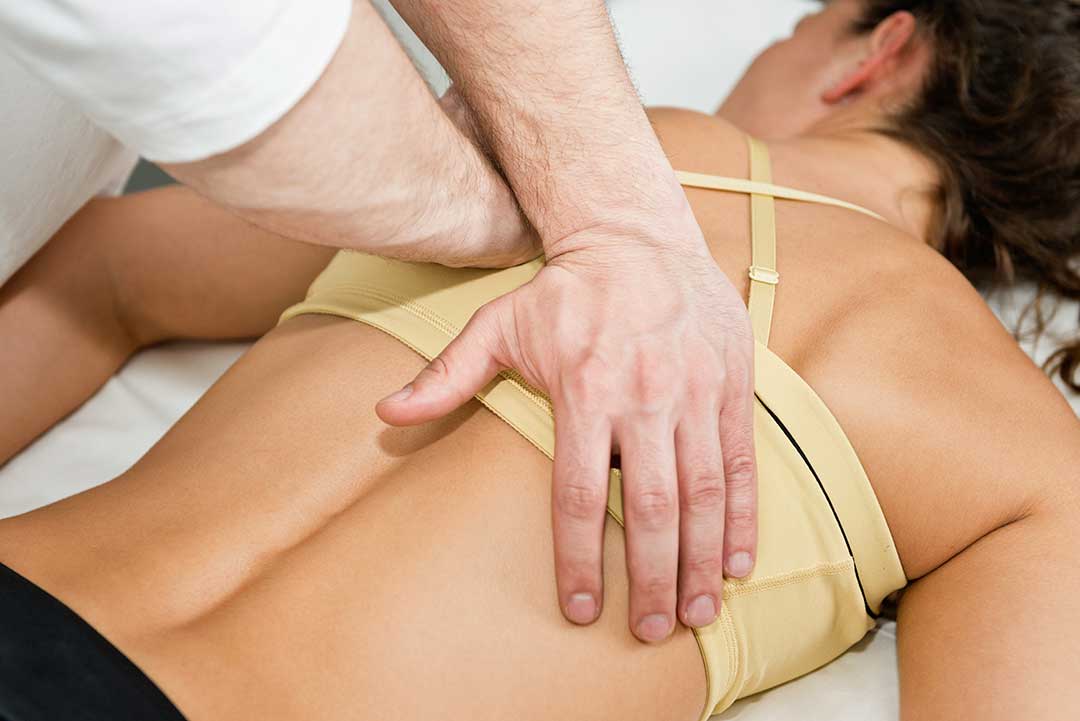
- Using spinal manipulation or mobilization when clinically appropriate
Spinal manipulation is one option among several nondrug approaches for low-back pain. Research summarized by the National Center for Complementary and Integrative Health suggests that it may produce modest improvements in pain and function for some people, particularly when used as part of a broader care plan. ([nccih.nih.gov](https://www.nccih.nih.gov/health/spinal-manipulation-what-you-need-to-know?utm_source=openai))
That evidence does not support the idea that everyone needs preventive manipulation indefinitely. A reasonable plan should relate to symptoms, movement limitations, health history, goals, and response to care.
Can routine care reduce back and neck discomfort?
It may help some people, but the benefit depends on the cause of the discomfort and what “routine care” includes. Hands-on treatment can temporarily reduce pain or improve movement, while exercise and activity help build longer-term capacity.
For chronic low-back pain, the World Health Organization identifies exercise programs and some physical therapies—including spinal manipulative therapy—as possible components of nonsurgical care. The guideline also emphasizes a person-centered, holistic approach rather than relying on a single treatment. ([who.int](https://www.who.int/news/item/07-12-2023-who-releases-guidelines-on-chronic-low-back-pain?utm_source=openai))
A person with recurring stiffness after long periods of sitting may benefit more from regular movement breaks and strengthening than from passive treatment alone. Someone recovering from an uncomplicated episode of back pain may need temporary activity adjustments, gradual return to normal movement, and education about avoiding prolonged bed rest.
Maintenance should support function: walking comfortably, sleeping better, lifting safely, working, exercising, and participating in household or community activities.
Why do strength and daily movement matter so much?
The spine does not work in isolation. The hips, pelvis, abdomen, shoulders, and legs all affect how forces are distributed during standing, walking, bending, and lifting.
Adults are generally advised to obtain at least 150 minutes of moderate-intensity aerobic activity each week and perform muscle-strengthening activities on at least two days. Activity can be divided into shorter periods, and some movement is better than none. ([cdc.gov](https://cdc.gov/physical-activity-basics/guidelines/adults.html?utm_source=openai))
Practical examples include:
- Brisk walking on cleared, stable surfaces
- Step-ups or sit-to-stand exercises
- Resistance-band exercises
- Gentle trunk and hip strengthening
- Balance exercises, especially for older adults
- Brief movement breaks during computer or study sessions
During winter, icy walkways and snow-related tasks can make balance, footwear, pacing, and lifting technique especially relevant. Shoveling can place repeated strain on the back when the load is heavy, the surface is uneven, or the torso twists while lifting. Smaller loads, frequent breaks, and keeping the shovel close to the body can reduce unnecessary stress.
Does good posture prevent spinal problems?
Posture matters, but there is no single perfect posture that must be maintained all day. Staying in one position for too long—whether upright, slouched, or rigid—can be more problematic than changing positions regularly.
Useful habits include:
- Adjusting the height of a chair or work surface so the shoulders can relax
- Keeping frequently used items within easy reach
- Alternating sitting, standing, and walking
- Supporting the feet when needed
- Avoiding prolonged phone use with the head bent forward
- Changing position before stiffness becomes severe
A comfortable posture is usually one that can be sustained without excessive muscle tension. Movement variety is often more realistic and helpful than trying to hold a rigid alignment.
Who may benefit from spinal maintenance?
People with recurring mechanical back or neck discomfort may find a structured maintenance approach useful, particularly when it includes education and exercise. It may also help individuals who have returned to activity after an episode of pain and want to rebuild strength and confidence gradually.
Older adults may benefit from combining strength, aerobic activity, and balance work. Those activities support general physical function and can help reduce fall risk when performed at an appropriate level. ([cdc.gov](https://www.cdc.gov/physical-activity-basics/adding-older-adults/what-counts.html?utm_source=openai))
However, routine spinal care is not a substitute for evaluation of unexplained or worsening symptoms. Maintenance should be individualized for people with osteoporosis, inflammatory disease, previous fractures, significant trauma, neurological conditions, cancer history, or complex medical concerns.
Are spinal adjustments always safe?
Spinal manipulation is generally associated with temporary effects such as soreness, stiffness, headache, or increased discomfort. These effects commonly resolve within a day, but serious complications have been reported rarely. Neck manipulation deserves particular caution because cervical artery problems and stroke have been discussed in the medical literature, although the relationship between manipulation and these events remains difficult to determine. ([nccih.nih.gov](https://www.nccih.nih.gov/health/spinal-manipulation-what-you-need-to-know?utm_source=openai))
A careful health history is important before treatment. Relevant information may include recent falls or collisions, blood-thinning medication, unusual headaches, numbness, weakness, dizziness, vascular conditions, pregnancy, osteoporosis, or recent surgery.
Urgent medical evaluation is appropriate for symptoms such as:
- New or progressive weakness
- Loss of bladder or bowel control
- Numbness around the groin or inner thighs
- Severe pain after significant trauma
- Fever with severe back pain
- Unexplained weight loss with persistent pain
- Sudden severe headache, dizziness, trouble speaking, or vision changes
These symptoms should not be managed as ordinary stiffness.
How can someone judge whether maintenance is helping?
Useful measures are functional and specific. Consider whether it is easier to walk, sleep, sit through work, climb stairs, lift ordinary objects, or complete household tasks. Track how often symptoms occur, how long they last, and whether activity tolerance is improving.
A maintenance plan may need adjustment if symptoms are unchanged after a reasonable trial, become more frequent, or require increasingly intensive treatment. Good care should include clear explanations, realistic goals, reassessment, and attention to self-management rather than creating dependence on repeated visits.
For many residents, the most effective foundation is simple: stay active, build strength gradually, vary positions, prepare for seasonal physical tasks, and seek appropriate evaluation when pain is persistent, severe, or accompanied by warning signs. Hands-on care may be useful for selected problems, but spinal health is usually supported by the combined effect of daily movement, physical capacity, informed choices, and timely attention to symptoms.
